Essential Solar Panel Maintenance for Optimal Performance
- janet delacruz
- Jun 9
- 4 min read

Solar panels are a fantastic investment for homeowners looking to reduce their energy bills and contribute to a more sustainable future. However, like any other home system, they require regular maintenance to ensure they operate at peak efficiency. In this blog post, we will explore essential solar panel maintenance practices that can help you maximize the performance and lifespan of your solar energy system.
Understanding Solar Panel Functionality
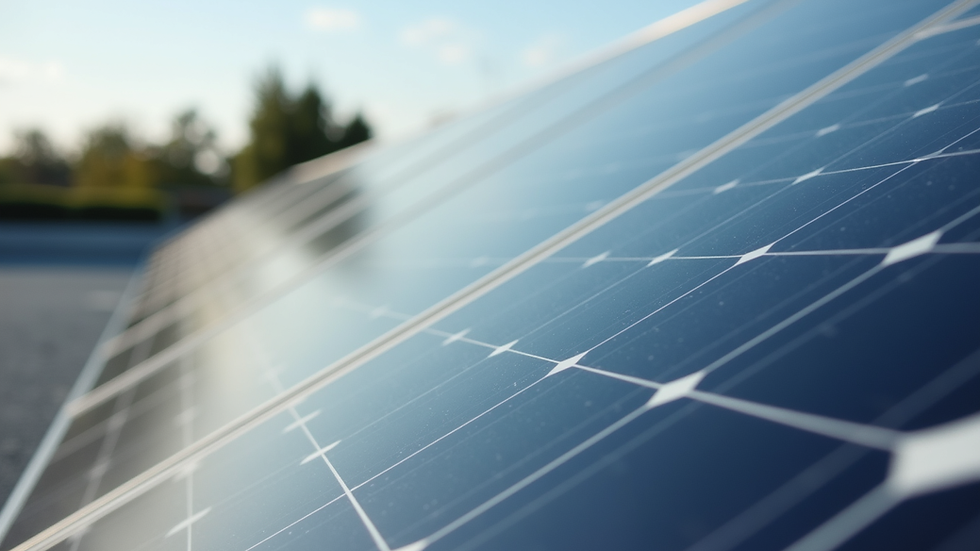
Before diving into maintenance, it's crucial to understand how solar panels work. Solar panels convert sunlight into electricity through photovoltaic cells. When sunlight hits these cells, it creates an electric field that generates direct current (DC) electricity. This electricity is then converted into alternating current (AC) by an inverter, making it usable for your home.
Key Components of a Solar Energy System
Solar Panels: The primary component that captures sunlight.
Inverter: Converts DC electricity to AC electricity.
Mounting System: Secures the panels to your roof or ground.
Battery Storage (optional): Stores excess energy for later use.
Monitoring System: Tracks the performance of your solar energy system.
Understanding these components will help you identify what needs maintenance and when.
Regular Cleaning of Solar Panels
One of the simplest yet most effective maintenance tasks is cleaning your solar panels. Dust, dirt, bird droppings, and other debris can accumulate on the surface of the panels, blocking sunlight and reducing their efficiency.
How to Clean Solar Panels
Frequency: Clean your panels at least twice a year, or more often if you live in a dusty area or have many trees nearby.
Method: Use a soft brush or sponge with a mild soap solution. Avoid abrasive materials that could scratch the panels.
Water: Use distilled water if possible, as tap water can leave mineral deposits.
Safety: Always prioritize safety. If your panels are on a roof, consider hiring a professional to clean them.
Inspecting for Damage
Regular inspections are vital to ensure your solar panels are functioning correctly. Look for signs of damage, such as cracks, discoloration, or loose connections.
What to Look For
Physical Damage: Inspect the panels for cracks or chips.
Electrical Issues: Check for any unusual sounds from the inverter or warning lights on the monitoring system.
Mounting System: Ensure that the mounting system is secure and free from rust or corrosion.
When to Call a Professional
If you notice any significant damage or if the panels are not producing as expected, it’s best to contact a professional solar technician. They can perform a thorough inspection and address any issues.
Monitoring System Performance
Most solar energy systems come with a monitoring system that tracks performance metrics. Regularly check these metrics to ensure your system is operating efficiently.
Key Metrics to Monitor
Energy Production: Compare your current energy production to historical data.
Inverter Performance: Ensure the inverter is functioning correctly and not showing any error codes.
Battery Health (if applicable): If you have battery storage, monitor its charge cycles and overall health.
Troubleshooting Common Issues
If you notice a drop in energy production, consider the following:
Shading: Ensure no new obstructions (like tree growth) are blocking sunlight.
Dirt Accumulation: Check if the panels need cleaning.
System Errors: Refer to the inverter’s manual for troubleshooting error codes.
Seasonal Maintenance Tips
Different seasons can affect your solar panels in various ways. Here are some seasonal maintenance tips to keep in mind:
Spring
Clean Panels: After winter, clean the panels to remove any debris that may have accumulated.
Inspect for Winter Damage: Check for any damage caused by snow or ice.
Summer
Monitor Performance: Summer is peak solar production time. Ensure your system is performing optimally.
Check for Overheating: Ensure that the inverter is not overheating, as high temperatures can affect performance.
Fall
Remove Leaves: Clear any fallen leaves or debris that may block sunlight.
Inspect for Damage: Check for any damage caused by storms or high winds.
Winter
Snow Removal: If snow accumulates on the panels, gently remove it with a soft broom. Avoid using sharp tools that could scratch the surface.
Monitor Performance: Keep an eye on energy production, as it may decrease during cloudy or snowy days.
Understanding Warranties and Service Agreements
Most solar panels come with warranties that cover defects and performance issues. Familiarize yourself with the warranty terms to understand what is covered and for how long.
Types of Warranties
Product Warranty: Covers defects in materials and workmanship, typically lasting 10-25 years.
Performance Warranty: Guarantees a certain level of energy production over a specified period, often 25 years.
Service Agreements
Consider signing a service agreement with a solar maintenance company. This can provide peace of mind, as they will handle regular inspections and maintenance tasks.
Conclusion
Maintaining your solar panels is essential for ensuring optimal performance and longevity. By following these maintenance tips, you can maximize your investment and enjoy the benefits of clean, renewable energy for years to come. Remember to keep an eye on your system's performance, clean the panels regularly, and address any issues promptly. With proper care, your solar energy system can continue to provide you with significant savings and environmental benefits.
Take the next step in your solar journey by scheduling a professional inspection today!


Comments